Buy flashscores.eu ?
We are moving the project
flashscores.eu .
Are you interested in purchasing the domain
flashscores.eu ?
domain@kv-gmbh.de · 0541-91531010
Buy flashscores.eu ?
What is exploitation and oppression?
Exploitation refers to the act of taking advantage of someone or something for one's own benefit, often at the expense of the exploited party. This can occur in various forms such as economic exploitation, where workers are underpaid or overworked, or environmental exploitation, where natural resources are depleted for profit. Oppression, on the other hand, involves the systematic and pervasive mistreatment of a group of people, often based on their race, gender, or social class. This can manifest in the form of discrimination, marginalization, and denial of rights and opportunities. Both exploitation and oppression are forms of injustice that perpetuate inequality and harm individuals and communities. **
What is oppression?
Oppression is the unjust or cruel exercise of authority or power over a group of people, often leading to their mistreatment, discrimination, and denial of rights. It can take many forms, including systemic discrimination, social inequality, and political repression. Oppression can be based on factors such as race, gender, sexual orientation, religion, or socioeconomic status, and it often results in the marginalization and disenfranchisement of certain groups within society. Oppression can have far-reaching and long-lasting effects on individuals and communities, perpetuating cycles of injustice and inequality. **


Similar search terms for Michel Foucault Oppression - Discipline and Punish 1975
Top-Angebote
Products related to Michel Foucault Oppression - Discipline and Punish 1975:
-
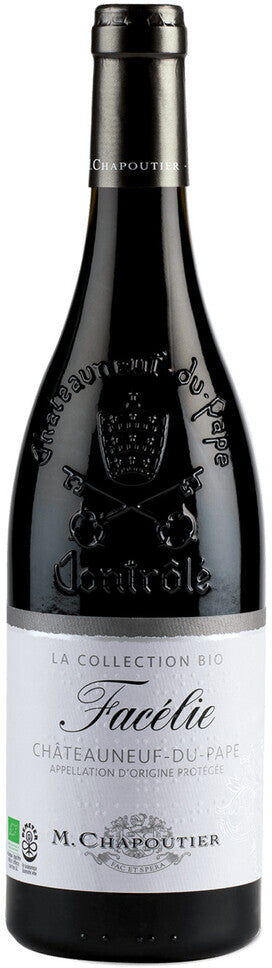
Chapoutier Michel Châteauneuf du Pape 'Facelie Bio' Michel Chapoutier 2020The Châteauneuf-du-Pape Bio from the famous maison of Michel Chapoutier is a great wine of tradition. It originates from a territory where the vine has dwelled for millennia, since the creation of the Phocaean colony in Marseille in 600 BC, and then expanded during the period of Roman domination of Gaul. But the golden age dates back to the years from 1307 to 1377, with the transfer of the papal seat to Avignon. It is during this period that the myth of the great reds of Châteauneuf-du-Pape was born, thanks to a unique and extraordinary terroir and to grape varieties with complementary characteristics, which allow for the creation of a harmonious, rich, and enveloping wine. The red Châteauneuf-du-Pape Bio by Michel Chapoutier comes from the vineyards of Grenache and other typical red grape varieties of the area, cultivated under certified biodynamic agriculture in the splendid area of Châteauneuf-du-Pape, on the precious terraces of galets roulés formed over millennia by the flooding of the old course of the Rhône, which has transported a large quantity of pebbles from the Alps.perfectly smoothed by the slow work of water. The subsoil is composed of sandy red clay, which retains water at depth and allows the plants to withstand the hot and dry summers typical of the lower Rhône Valley. The harvest is done manually at full ripeness of the grapes, with selection of the healthiest bunches. Fermentation takes place in concrete tanks at a controlled temperature below 32 °C, with a long maceration on the skins, lasting three to four weeks. The wine matures for a period of 15-18 months in concrete tanks and wooden barrels. The Chateauneuf-du-Pape Bio wine by Michel Chapoutier is a red of great charm, a biodynamic version of one of the excellences of southern France, born from a territory that boasts centuries-old traditions in viticulture. In the glass, it presents a dark red color with slight violet reflections. Complex and intense, it offers a wide bouquet on the nose reminiscent of blueberry, blackcurrant, blackberry, hints of underbrush and aromatic herbs of the Mediterranean scrub, the soft notes of oriental spices. Structured, warm, and powerful, it has a sip with silky tannins and dense, very deep aromas. The finish is long, harmonious, and persistent, with a slightly spicy closure.52,00 £*Shipping: 48,00 £Secure redirect to the provider


-
Is this already oppression?
It is difficult to determine if a situation is already oppression without fully understanding the context and dynamics at play. Oppression typically involves the systematic mistreatment or discrimination of a group of people by those in power. If individuals or groups are being marginalized, discriminated against, or denied basic rights and opportunities, then it could be considered oppression. It is important to examine the power dynamics, impact on individuals, and broader societal structures to determine if a situation constitutes oppression. **
-
Why does imperialism lead to exploitation and oppression?
Imperialism leads to exploitation and oppression because it involves the domination and control of one group or nation over another. The imperial power seeks to extract resources, labor, and wealth from the colonized territory for its own benefit, often at the expense of the local population. This unequal power dynamic allows for the exploitation of the colonized people and their resources, leading to economic and social oppression. Additionally, imperialism often involves the imposition of the imperial power's culture, language, and values onto the colonized population, further perpetuating systems of oppression. **
-
What are discipline and obedience?
Discipline is the practice of training people to obey rules or a code of behavior, using punishment to correct disobedience. It involves self-control, restraint, and the ability to follow a set of rules or guidelines. Obedience, on the other hand, is the act of following orders or commands from a person in authority. It involves compliance with authority figures and the willingness to carry out their instructions. Both discipline and obedience are important for maintaining order and structure in various settings, such as schools, workplaces, and society as a whole. **
-
Is the German Michel sleeping?
No, the German Michel is not sleeping. **


What is the Michel number?
The Michel number is a concept in number theory that is named after the French mathematician Paul Michel. It is defined as a positive integer n for which the sum of the factorials of its digits is equal to n. In other words, if we take the digits of n, calculate their factorials, and then add them together, the result is n. Michel numbers have been studied for their interesting properties and connections to other areas of mathematics, such as combinatorics and number theory. **
What is the book from 1975?
The book from 1975 is "The Woman Warrior: Memoirs of a Girlhood Among Ghosts" by Maxine Hong Kingston. This memoir blends together Kingston's own experiences growing up as a Chinese-American girl with Chinese folktales and legends. The book explores themes of identity, family, and the immigrant experience, and it has been widely acclaimed for its powerful storytelling and unique narrative style. "The Woman Warrior" has had a significant impact on literature and continues to be studied and celebrated for its exploration of cultural and personal identity. **
Top-Angebote
Products related to Michel Foucault Oppression - Discipline and Punish 1975:
-
Chapoutier Michel Tavel 'Beaurevoir' Michel Chapoutier 2024Il Tavel “Beaurevoir” di Michel Chapoutier è un rosé prodotto nella Valle del Rodano meridionale, nella zona tra Avignone e Pont du Gard. L’Appellation Tavel ha la particolarità di produrre solo vini rosati e di rappresentare da secoli il punto di riferimento e l’eccellenza assoluta in questa particolare tipologia. I rosé di Tavel sono un modello imprescindibile e ancora oggi restano fedeli alla tradizione, con etichette importanti, dagli aromi piacevolmente fruttati, ricchi e persistenti. È un’interpretazione del vino rosé realizzata con Grenache noir in purezza a vocazione decisamente gastronomica, che si differenzia nettamente dalle versioni sottili e scariche di colore della vicina Provenza. Il rosé Tavel “Beaurevoir” viene prodotto da uno dei Domaine più grandi e importanti della regione del Rodano. La famiglia Chapoutier coltiva la vite fin dall’inizio dell’800, ma la vera rivoluzione si è avuta negli anni ’80 del secolo scorso, quando Michel Chapoutier ha deciso di dare una svolta all’attività, abbracciando le pratiche dell’agricoltura biologica e biodinamica nel massimo rispetto del territorio, con l’intento di produrre espressioni capaci di esaltare le caratteristiche delle uve e dei terreni di provenienza. Oggi il Domaine gestisce oltre 360 ettari di vigne tra la zona di Chateneuf-du-Pape, Hermitage, Tavel e altre aree del basso Rodano, con una gamma di vini molto ampia. Tuttavia i rosé di Tavel restano un’eccellenza che ha resistito alle mode, per affermare uno stile classico, ormai riconosciuto e amato in tutto il mondo. Il Tavel “Beaurevoir” prodotto da Michel Chapoutier nasce sui terreni ricchi di ciottoli, con presenza di calcare e argille rosse, tipici dell’area di Tavel. La fermentazione avviene in serbatoi d’acciaio, con una macerazione sulle bucce della durata di 24-36 ore e prima dell’imbottigliamento, matura alcuni mesi in acciaio. Si presenta con un colore rosa intenso, con riflessi rubino brillante. Il bouquet è ricco e fragrante con aroma di ciliegia matura, ribes, piccoli frutti di bosco, mandorla fresca e morbide spezie. Il sorso è ampio e appagante, con un frutto succoso e armonioso, che accompagna piacevolmente verso un finale persistente e di equilibrata freschezza.17,00 £*Shipping: 48,00 £Secure redirect to the provider
-
Chapoutier Michel 'Marius Blanc' Michel Chapoutier 2025“Marius Blanc”, produced by the famous French maison of Michel Chapoutier, is a wine with a typically Mediterranean and mature profile. It originates in the south of France, in the Languedoc-Roussillon area, where Vermentino expresses itself at excellent quality levels thanks to the suitable soils and a mild and always breezy climate due to the presence of sea breezes. The vinification exclusively in steel allows for the appreciation of the fruity richness and the elegant floral and mineral nuances, making the wine pleasantly smooth and satisfying. It is an ideal bottle to bring to the table with a seafood menu, particularly with a seafood pasta or clams. The “Marius Blanc” wine by Michel Chapoutier is produced with grapes from vineyards located on hills that enjoy beautiful sunny exposures and ensure excellent ripening of the grapes. The vines are cultivated in calcareous-clay soils, capable of retaining in the deeper layers the water reserves necessary to face the hot summers of the Languedoc-Roussillon region, characterized by a typically Mediterranean climate. The harvest takes place at night, in order to bring fresh grapes to the winery and avoid the risk of oxidation.night, in order to bring fresh grapes to the winery and avoid the risk of oxidation. The bunches are pressed very gently and the must ferments at low temperature in stainless steel tanks. Before bottling, the wine ages in steel tanks on the lees for about five months. “Marius Blanc” by Michel Chapoutier is a simple and young wine, which focuses primarily on the direct and immediate expression of the best varietal characteristics of grapes of excellent quality. In the glass, it presents a bright straw yellow color with slight greenish reflections. Fragrant and fruity, it has a bouquet characterized by floral aromas of orange blossom, hawthorn, acacia flowers, aromas of lime zest, grapefruit, green apple, white peach, cantaloupe, nuances of pineapple and tropical fruit, hints of aromatic herbs from the Mediterranean scrub, subtle iodized nuances and flintstone. The sip is intense, soft, and juicy, with ripe aromas, well balanced by a fresh and savory finish.9,00 £*Shipping: 48,00 £Secure redirect to the provider
-
Chapoutier Michel Châteauneuf du Pape 'Facelie Bio' Michel Chapoutier 2020The Châteauneuf-du-Pape Bio from the famous maison of Michel Chapoutier is a great wine of tradition. It originates from a territory where the vine has dwelled for millennia, since the creation of the Phocaean colony in Marseille in 600 BC, and then expanded during the period of Roman domination of Gaul. But the golden age dates back to the years from 1307 to 1377, with the transfer of the papal seat to Avignon. It is during this period that the myth of the great reds of Châteauneuf-du-Pape was born, thanks to a unique and extraordinary terroir and to grape varieties with complementary characteristics, which allow for the creation of a harmonious, rich, and enveloping wine. The red Châteauneuf-du-Pape Bio by Michel Chapoutier comes from the vineyards of Grenache and other typical red grape varieties of the area, cultivated under certified biodynamic agriculture in the splendid area of Châteauneuf-du-Pape, on the precious terraces of galets roulés formed over millennia by the flooding of the old course of the Rhône, which has transported a large quantity of pebbles from the Alps.perfectly smoothed by the slow work of water. The subsoil is composed of sandy red clay, which retains water at depth and allows the plants to withstand the hot and dry summers typical of the lower Rhône Valley. The harvest is done manually at full ripeness of the grapes, with selection of the healthiest bunches. Fermentation takes place in concrete tanks at a controlled temperature below 32 °C, with a long maceration on the skins, lasting three to four weeks. The wine matures for a period of 15-18 months in concrete tanks and wooden barrels. The Chateauneuf-du-Pape Bio wine by Michel Chapoutier is a red of great charm, a biodynamic version of one of the excellences of southern France, born from a territory that boasts centuries-old traditions in viticulture. In the glass, it presents a dark red color with slight violet reflections. Complex and intense, it offers a wide bouquet on the nose reminiscent of blueberry, blackcurrant, blackberry, hints of underbrush and aromatic herbs of the Mediterranean scrub, the soft notes of oriental spices. Structured, warm, and powerful, it has a sip with silky tannins and dense, very deep aromas. The finish is long, harmonious, and persistent, with a slightly spicy closure.52,00 £*Shipping: 48,00 £Secure redirect to the provider
-
What is exploitation and oppression?
Exploitation refers to the act of taking advantage of someone or something for one's own benefit, often at the expense of the exploited party. This can occur in various forms such as economic exploitation, where workers are underpaid or overworked, or environmental exploitation, where natural resources are depleted for profit. Oppression, on the other hand, involves the systematic and pervasive mistreatment of a group of people, often based on their race, gender, or social class. This can manifest in the form of discrimination, marginalization, and denial of rights and opportunities. Both exploitation and oppression are forms of injustice that perpetuate inequality and harm individuals and communities. **
-
What is oppression?
Oppression is the unjust or cruel exercise of authority or power over a group of people, often leading to their mistreatment, discrimination, and denial of rights. It can take many forms, including systemic discrimination, social inequality, and political repression. Oppression can be based on factors such as race, gender, sexual orientation, religion, or socioeconomic status, and it often results in the marginalization and disenfranchisement of certain groups within society. Oppression can have far-reaching and long-lasting effects on individuals and communities, perpetuating cycles of injustice and inequality. **
-
Is this already oppression?
It is difficult to determine if a situation is already oppression without fully understanding the context and dynamics at play. Oppression typically involves the systematic mistreatment or discrimination of a group of people by those in power. If individuals or groups are being marginalized, discriminated against, or denied basic rights and opportunities, then it could be considered oppression. It is important to examine the power dynamics, impact on individuals, and broader societal structures to determine if a situation constitutes oppression. **
-
Why does imperialism lead to exploitation and oppression?
Imperialism leads to exploitation and oppression because it involves the domination and control of one group or nation over another. The imperial power seeks to extract resources, labor, and wealth from the colonized territory for its own benefit, often at the expense of the local population. This unequal power dynamic allows for the exploitation of the colonized people and their resources, leading to economic and social oppression. Additionally, imperialism often involves the imposition of the imperial power's culture, language, and values onto the colonized population, further perpetuating systems of oppression. **
Similar search terms for Michel Foucault Oppression - Discipline and Punish 1975
-
METELLI 15-1975 CV joint kitThread Size: M24x1.5; External Toothing wheel side: 25; Internal Toothing wheel side: 27; Seal Ring Diameter [mm]: 52,5; Number of Teeth, ABS ring: 48; Outer Diameter [mm]: 70,4; Bellows Material: Rubber; Fitting Position: Wheel Side, Front Axle; Construction Year from: 01/2016; Transmission Type: Manual Transmission; Braking/Driving Dynamics: for vehicles with ABS; Number of Gears: 5 Speed27,49 £*Shipping: 8,45 £Secure redirect to the provider
-
MAXGEAR 49-1975 Repair Kit, brake caliperFitting Position: Rear Axle Left; Fitting Position: Rear Axle, Front Axle; Brake System: BREMBO; Brake Caliper Type: Brake Caliper (2 pistons); Diameter: 44; Vehicle Identification Number (VIN) from: 5494382; Vehicle type: Daily40C13, Daily40C13P24,99 £*Shipping: 8,45 £Secure redirect to the provider
-
What are discipline and obedience?
Discipline is the practice of training people to obey rules or a code of behavior, using punishment to correct disobedience. It involves self-control, restraint, and the ability to follow a set of rules or guidelines. Obedience, on the other hand, is the act of following orders or commands from a person in authority. It involves compliance with authority figures and the willingness to carry out their instructions. Both discipline and obedience are important for maintaining order and structure in various settings, such as schools, workplaces, and society as a whole. **
-
Is the German Michel sleeping?
No, the German Michel is not sleeping. **
-
What is the Michel number?
The Michel number is a concept in number theory that is named after the French mathematician Paul Michel. It is defined as a positive integer n for which the sum of the factorials of its digits is equal to n. In other words, if we take the digits of n, calculate their factorials, and then add them together, the result is n. Michel numbers have been studied for their interesting properties and connections to other areas of mathematics, such as combinatorics and number theory. **
-
What is the book from 1975?
The book from 1975 is "The Woman Warrior: Memoirs of a Girlhood Among Ghosts" by Maxine Hong Kingston. This memoir blends together Kingston's own experiences growing up as a Chinese-American girl with Chinese folktales and legends. The book explores themes of identity, family, and the immigrant experience, and it has been widely acclaimed for its powerful storytelling and unique narrative style. "The Woman Warrior" has had a significant impact on literature and continues to be studied and celebrated for its exploration of cultural and personal identity. **
* All prices are inclusive of VAT and, if applicable, plus shipping costs. The offer information is based on the details provided by the respective shop and is updated through automated processes. Real-time updates do not occur, so deviations can occur in individual cases. ** Note: Parts of this content were created by AI.